Introductory Digital Co‑Pilot Proves its Capabilities in Final Flight Trials
A major step towards the future of reduced‑crew and single‑pilot aviation has just taken place near the Slovenia-Italian border. In January 2026, the partners of the SESAR project DARWIN (Digital Assistants for Reducing Workload and Increasing collaboratioN) led by Honeywell Aerospace, successfully wrapped up their second and final series of manned flight tests, confirming the latest advancements of the AI‑powered Introductory Digital Co‑Pilot (IDCP).
The campaign was conducted around Gorizia Airport, where the project team deployed a fully operational prototype of the IDCP — an AI‑based assistant designed to reduce pilot workload and enhance human‑machine collaboration in the cockpit.
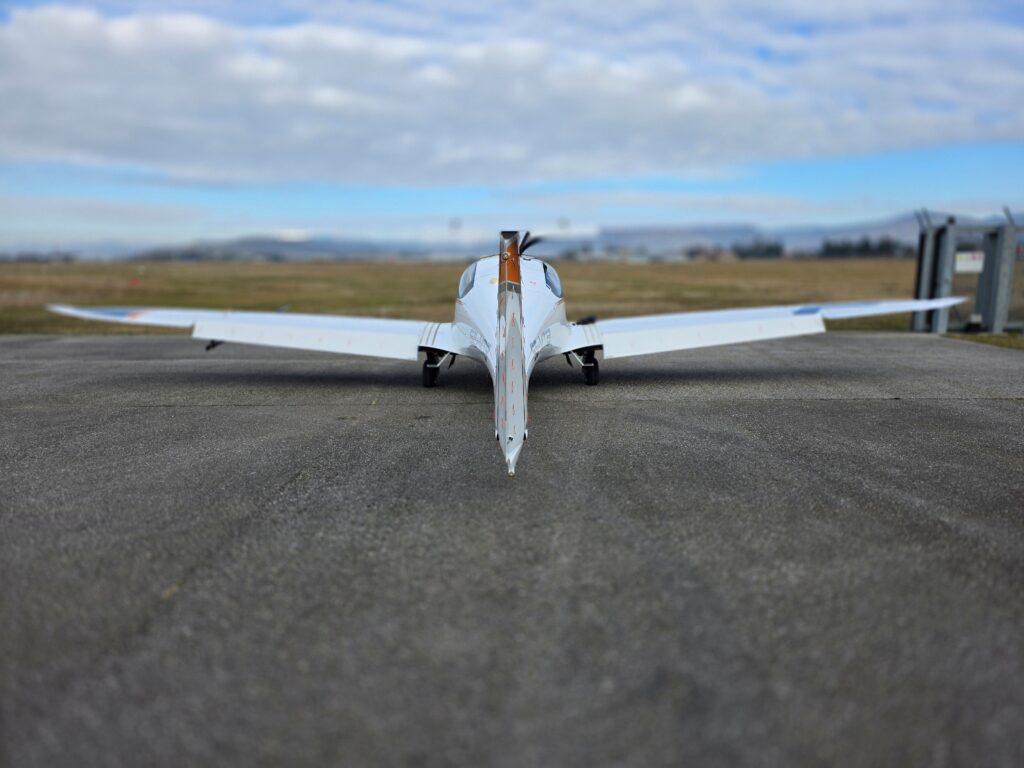
Across eight test flights, each operated by a different pilot using a four‑seater Pipistrel Panthera, the IDCP was exposed to a wide range of real‑world and simulated conditions. These included:
- high‑workload situations,
- in‑flight medical emergencies, and
- pilot incapacitation scenarios.
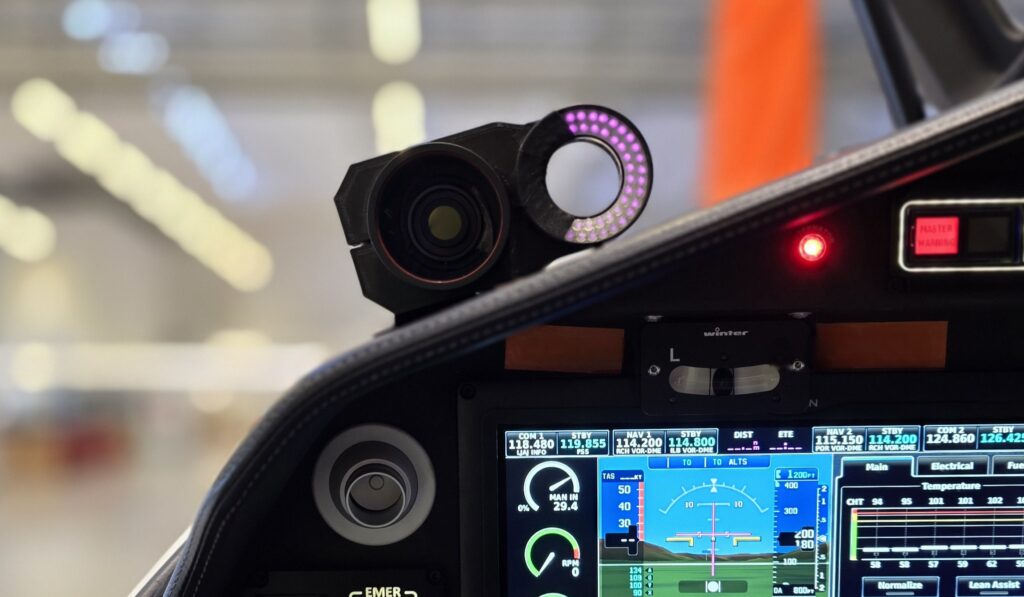
Throughout the tests, the system performed reliably and predictably. It stepped in to manage tasks from the flight plan, supporting pilot decision‑making, and even initiating autoland during a simulated pilot incapacitation scenario. A key element of this campaign was the system’s interaction with Air Traffic Control in Ljubljana (LJ Information), providing authentic real‑time communication and situational context. With the aircraft operating in a relevant, operationally realistic environment, the DARWIN partners have reached a significant milestone on the path to achieving Technology Readiness Level (TRL) 6.
Advancing System Maturity and Consortium Impact
Compared to the first campaign carried out in May 2025, the IDCP demonstrated substantial progress in terms of system maturity. Test pilots provided detailed feedback, acknowledging both the system’s immediate value and its strong potential for future cockpit integration. Their input has also generated a constructive list of next steps for refinement.
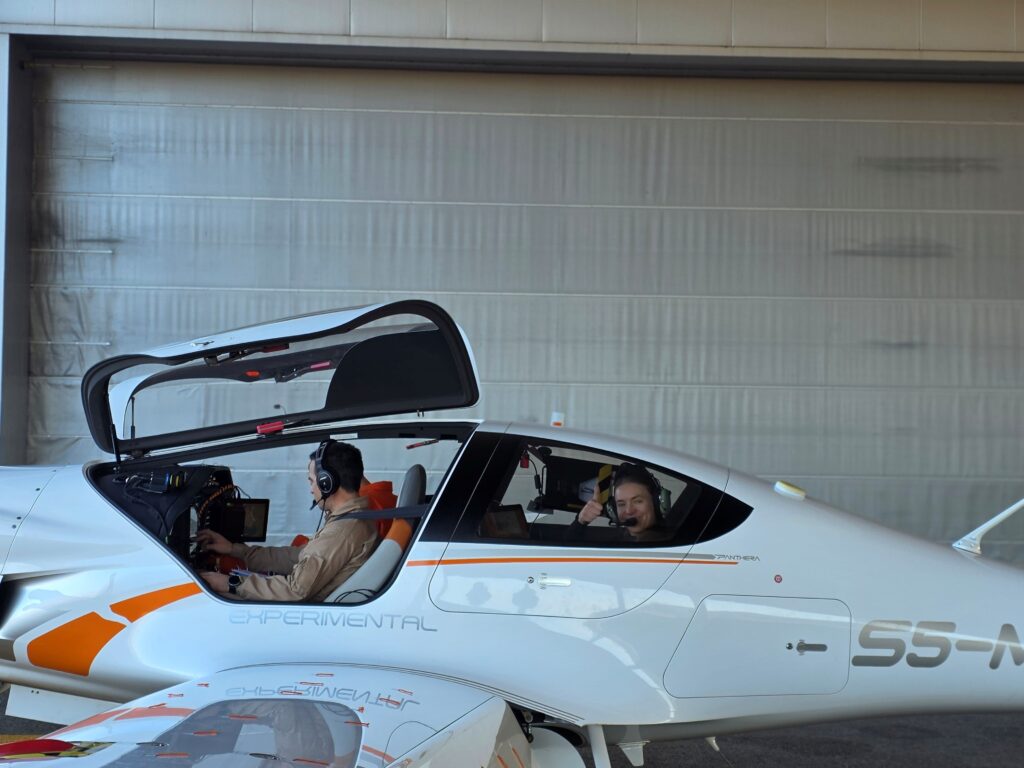
This successful test series represents a significant milestone for the DARWIN project consortium, with Honeywell Aerospace, the German Aerospace Center (DLR), Pipistrel Vertical Solutions, and EUROCONTROL. The project developed advanced cockpit automation tools capable of reducing pilot workload, improving situational awareness, and enabling safe, seamless collaboration between humans and intelligent systems.
With these final trials completed, DARWIN moves aviation closer to a future in which digital co-pilots can play a central role in next‑generation aviation.
About DARWIN
The DARWIN consortium is developing AI-powered digital assistants and Human-AI collaboration frameworks to support future, more automated operations—ensuring equal or greater safety levels and equal or reduced crew workload compared to today’s full-crew operations.
This project has received funding from the SESAR 3 Joint Undertaking (JU) under grant agreement No 101114733. The JU receives support from the European Union’s Horizon Europe research and innovation programme and the SESAR 3 JU members other than the Union.